Introduction
In emergency situations, every second counts. Cardiopulmonary resuscitation (MOUTH-TO-MOUTH RESUSCITATION) is a critical skill that can conserve lives throughout cardiac arrest or respiratory failure. Recognizing how to do mouth-to-mouth resuscitation properly can make the difference in between life and death. Our Canberra CPR Course offers thorough training created to equip you with the understanding and skills required to react with confidence in emergency circumstances. This write-up will direct you with mastering CPR, outlining our course offerings in Canberra and emphasizing the significance of being planned for emergencies.
Mastering CPR: A Step-by-Step Method at Our Canberra Courses
At our programs, you will certainly learn not simply the "exactly how," yet also the "why" behind each action of CPR. The instruction is tailored to all skill degrees, whether you're a complete newbie or looking to rejuvenate your expertise.
The Value of mouth-to-mouth resuscitation Training
CPR training is essential for any individual that wants to be proactive regarding public security. It empowers individuals to act emphatically when an individual's life hangs in the balance. Signing up in a Canberra First Aid Training course Near Me ensures you're ready when it matters most.
Understanding Heart Arrest
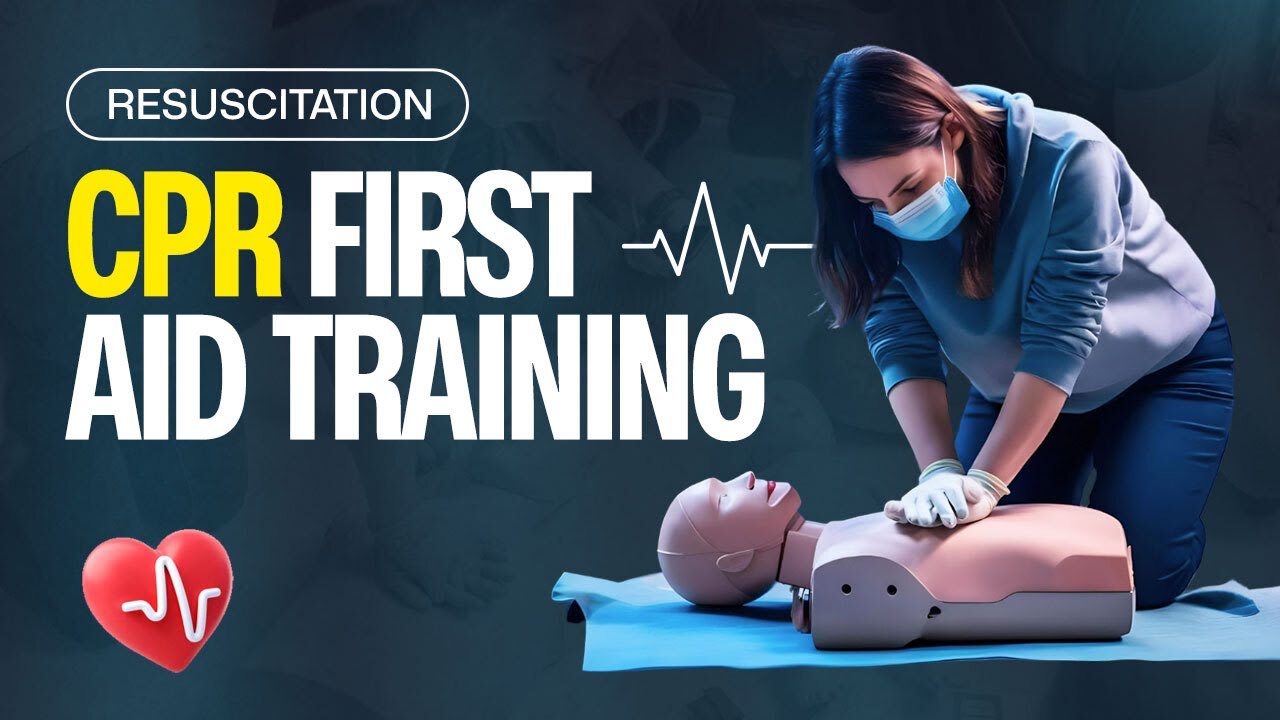
Cardiac arrest happens when the heart stops defeating properly, bring about an absence of blood circulation to important organs. Acknowledging the indications-- such as unresponsiveness or abnormal breathing-- is essential for timely intervention.
Why Pick Our Canberra CPR Course?
Our programs first aid courses offered in Canberra offer hands-on training from accredited teachers with real-world experience. You won't simply endure talks; you'll exercise on mannequins and join simulations that simulate real-life scenarios.
What Will certainly You Discover in Our CPR Course?
Our curriculum covers several aspects critical for effective CPR:
Recognizing Emergencies Calling for Help Performing Upper body Compressions Using an Automated External Defibrillator (AED) Rescue Breathing Techniques Special Factors to consider for Babies and Children1. Recognizing Emergencies
Before delving into action, it's important to evaluate the circumstance accurately:
- Is the individual conscious? Are they taking a breath normally? Do they have a pulse?
Being able to address these questions swiftly will establish your following steps.
2. Calling for Help
Always call emergency situation solutions before trying CPR. In Australia, dial 000 for immediate assistance.
Performing Upper body Compressions: The Heart of CPR
Chest compressions go to the center of reliable CPR practices; they help preserve blood circulation to essential organs until professional aid arrives.
Technique Overview
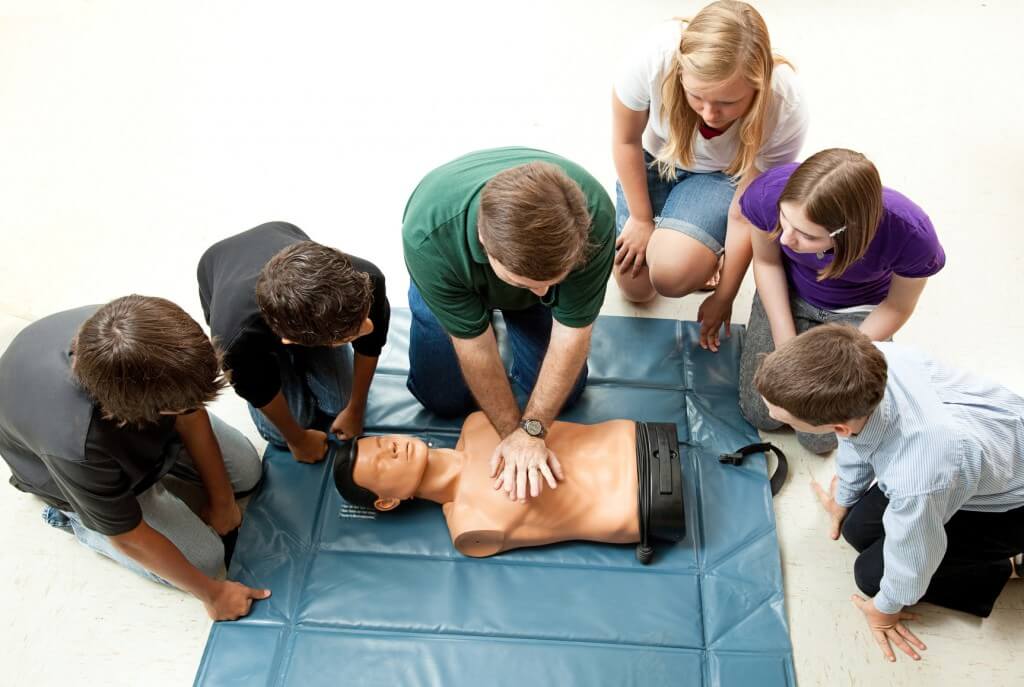
- Position your hands properly-- area one hand over the various other on the center of the chest. Keep your joints right and utilize your body weight to press downwards. Aim for a minimum of 100-- 120 compressions per minute.
Tips for Reliable Compressions
- Ensure complete upper body recoil after each compression. Count aloud or follow a rhythm (assume "Stayin' Alive" by Gees).
Using an AED: A Crucial Device in Emergencies
An Automated External Defibrillator (AED) is designed to examine heart rhythms and offer shocks if necessary.
How to Utilize an AED?
Turn on the device. Apply pads according to diagrams supplied with the AED. Follow voice triggers very carefully-- make sure no person is touching the sufferer when a shock is delivered.Rescue Breathing Techniques: When Needed Most
In particular circumstances, rescue breathing might be essential alongside compressions.
When Is Rescue Breathing Required?
If you're trained and confident, rescue breaths are especially valuable when taking care of children or sinking victims where oxygen starvation has actually occurred.
Steps for Rescue Breathing
Open the respiratory tract by turning the head back slightly. Pinch the nose shut and cover their mouth with yours. Give two breaths lasting about one second each while watching for chest rise.Special Factors to consider for Infants and Kids: Day Care First Aid Training Course Canberra
Learning just how to provide CPR on babies and youngsters needs particular techniques matched for their physical differences.
Differences in Method for Kid vs Adults
When carrying out chest compressions on children:
- Use one hand instead of two. For infants, use two fingers only.
In our specialized courses like the Child Treatment First Aid Program Canberra, you'll discover these subtleties that can save young lives.

FAQs About Our Canberra Courses
What is included in your Canberra Emergency Treatment Course?- Our training course consists of sensible training sessions, theoretical understanding evaluations, and qualification upon completion.
- Typically, our programs last around 4-- 6 hours depending on class size and specific material covered.
- Participants have to go to the very least 14 years old; nonetheless, younger pupils might go to with adult approval under specific conditions.
- No prior experience is required! We invite novices excited to learn lifesaving skills.
- Upon successful completion, individuals obtain nationally identified certificates valid throughout Australia.
- We deal several areas throughout Canberra! Check our web site for upcoming classes near you.
Conclusion
Mastering CPR isn't simply a useful skill; it's an important life-saving strategy that everyone need to recognize exactly how to do with confidence and efficiently-- particularly those involved in child care setups through our Canberra Day care Emergency treatment Training Course Near Me By enlisting in our detailed training courses here in Canberra, you're not only preparing yourself yet also boosting community safety in addition to individual protection during emergency situations that can emerge suddenly in the house or elsewhere.
Taking activity today can mean saving someone's life tomorrow-- do not put it off any longer! Join us at our next training course session and let's work together towards developing more secure environments through educated people all set to act swiftly when every second counts!